What Is Tetra CO2 Laser Resurfacing and Is It Right for You?
TL;DR: Tetra CO2 (CoolPeel) is a fractional laser resurfacing treatment that improves skin texture, sun damage, and fine lines with minimal downtime. It's especially well suited to Eastern New Mexico's high-UV, high-desert climate, where sun exposure shows up early and often on the skin.
Clovis and Portales sit at over 4,000 feet of elevation with close to 300 days of sunshine a year. That combination is hard on skin. Patients come into Main Street Med Spa asking about the same things: rough texture, sun spots that won't fade, and fine lines that showed up faster than they expected. Tetra CO2 laser resurfacing, often called CoolPeel, was built for exactly this kind of sun-driven damage.
Unlike older CO2 lasers that required a week or two of hiding indoors, Tetra CO2 delivers energy in a way that targets damaged skin cells while leaving healthy tissue around them largely undisturbed. That means real results without disappearing from work or family life for two weeks. If you've been putting off resurfacing because of the recovery reputation older lasers earned, this article walks through how the treatment actually works, what it treats, what recovery looks like day by day, and how to know if it's the right fit for your skin.
How Does Tetra CO2 Laser Resurfacing Work?
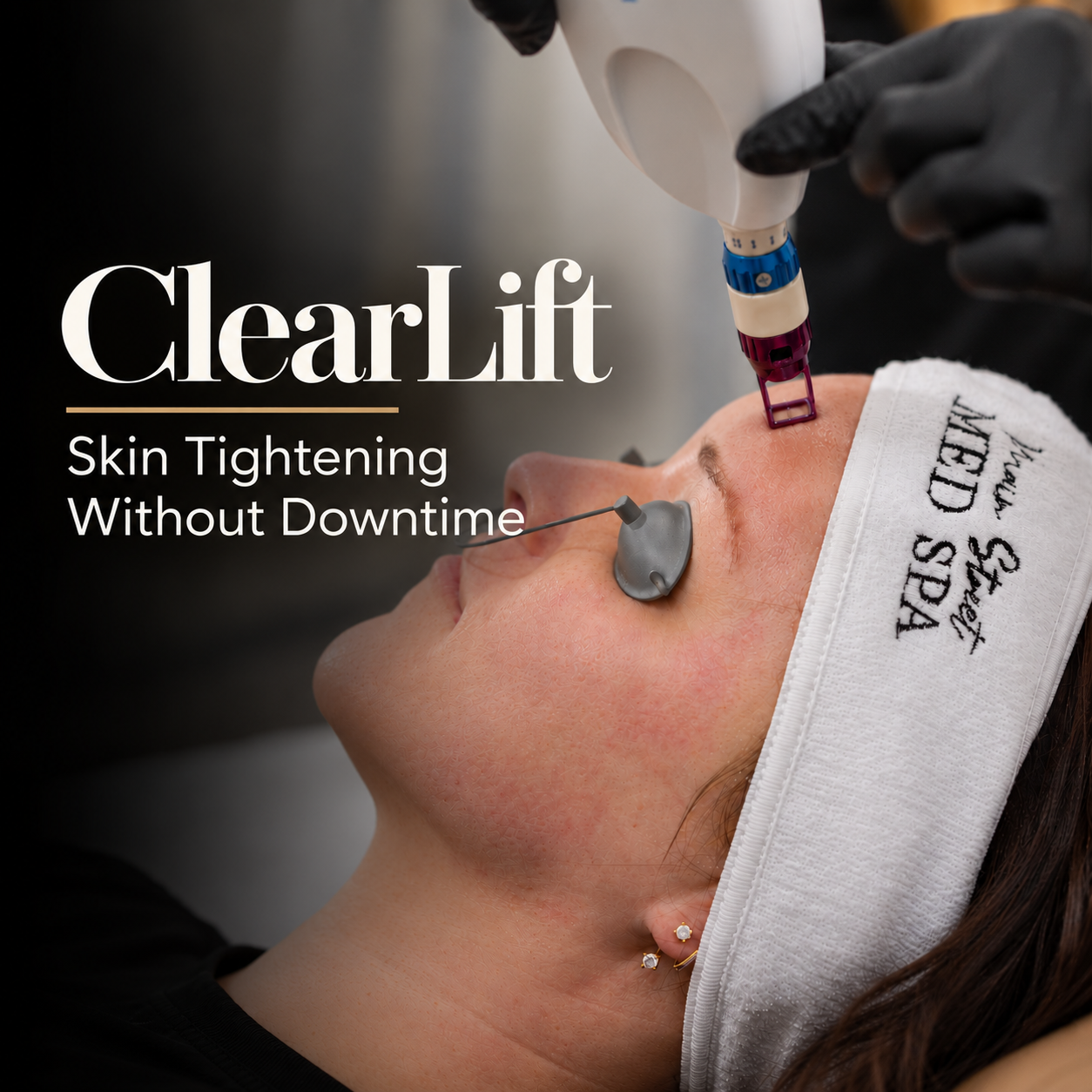
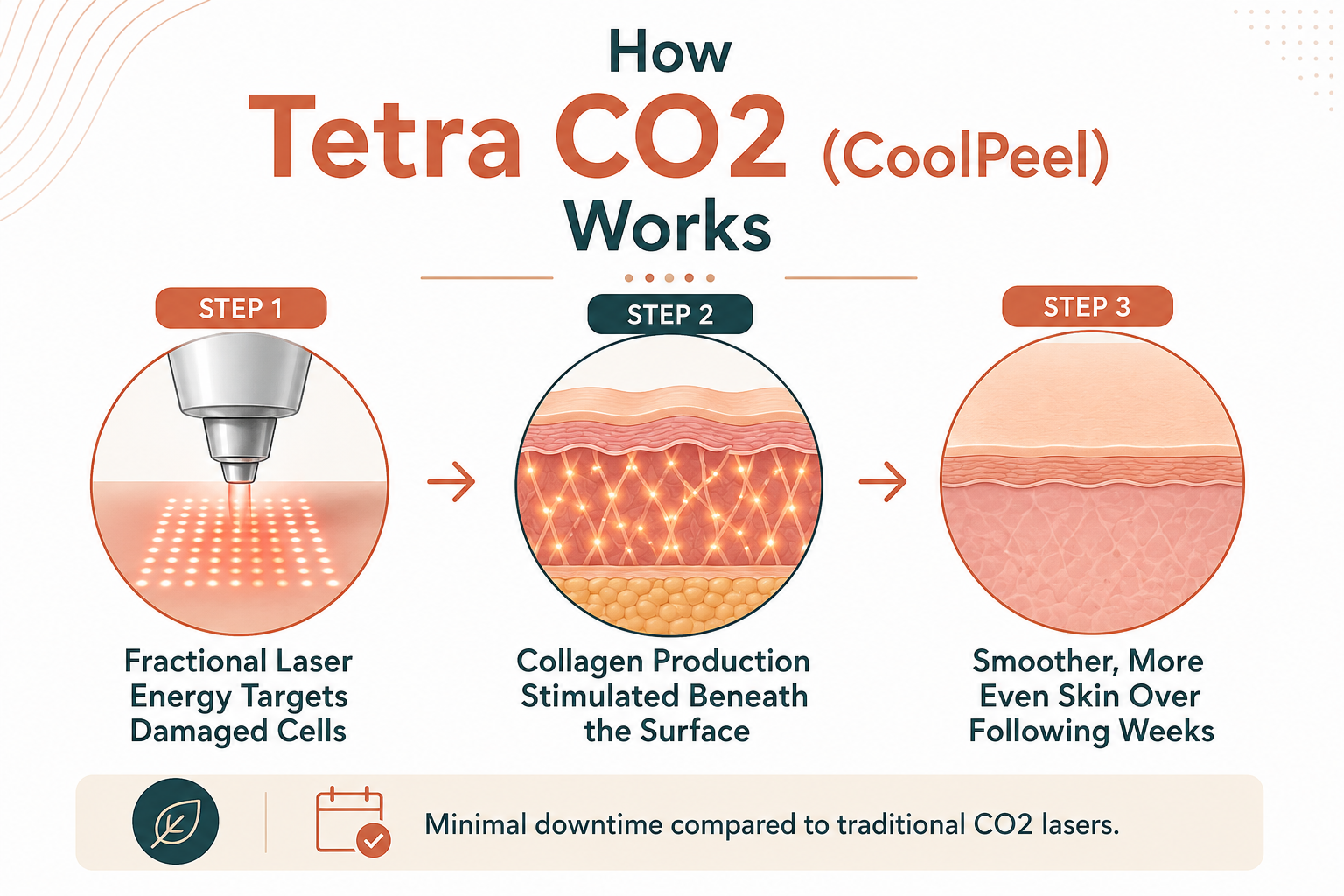
Tetra CO2 uses fractional laser energy to remove a controlled layer of damaged surface skin cells while stimulating collagen production in the layers beneath. The laser creates thousands of microscopic treatment zones across the skin, leaving the surrounding tissue intact so healing happens fast.
That fractional approach is the whole point. Older, fully ablative CO2 lasers treated 100% of the skin's surface at once, which produced strong results but came with long, uncomfortable recovery. Tetra CO2 treats only a fraction of the surface in each pass, which triggers the body's natural collagen response without wounding the entire face. The result is younger-looking, tighter skin with a recovery timeline measured in days rather than weeks.
Your provider adjusts the depth and density of the laser energy based on your skin's specific needs. Someone dealing primarily with fine lines around the eyes needs a different setting than someone addressing years of sun damage across the cheeks and forehead. This customization is part of why a proper consultation matters before treatment ever begins.
What Makes CoolPeel Different from Traditional CO2 Lasers
CoolPeel is a specific, faster application of CO2 technology designed to reduce heat buildup in the skin during treatment. Less residual heat means less swelling, less prolonged redness, and a shorter recovery window compared to standard CO2 resurfacing.
Traditional CO2 lasers move slowly across the skin, allowing heat to accumulate in the tissue. CoolPeel's faster pulse delivery limits that thermal buildup, which is a major reason patients are back to normal activities within days instead of weeks. The tradeoff is that CoolPeel often works best as part of a short series of treatments rather than a single deep pass, something we'll cover further down.
What Skin Concerns Does It Treat?
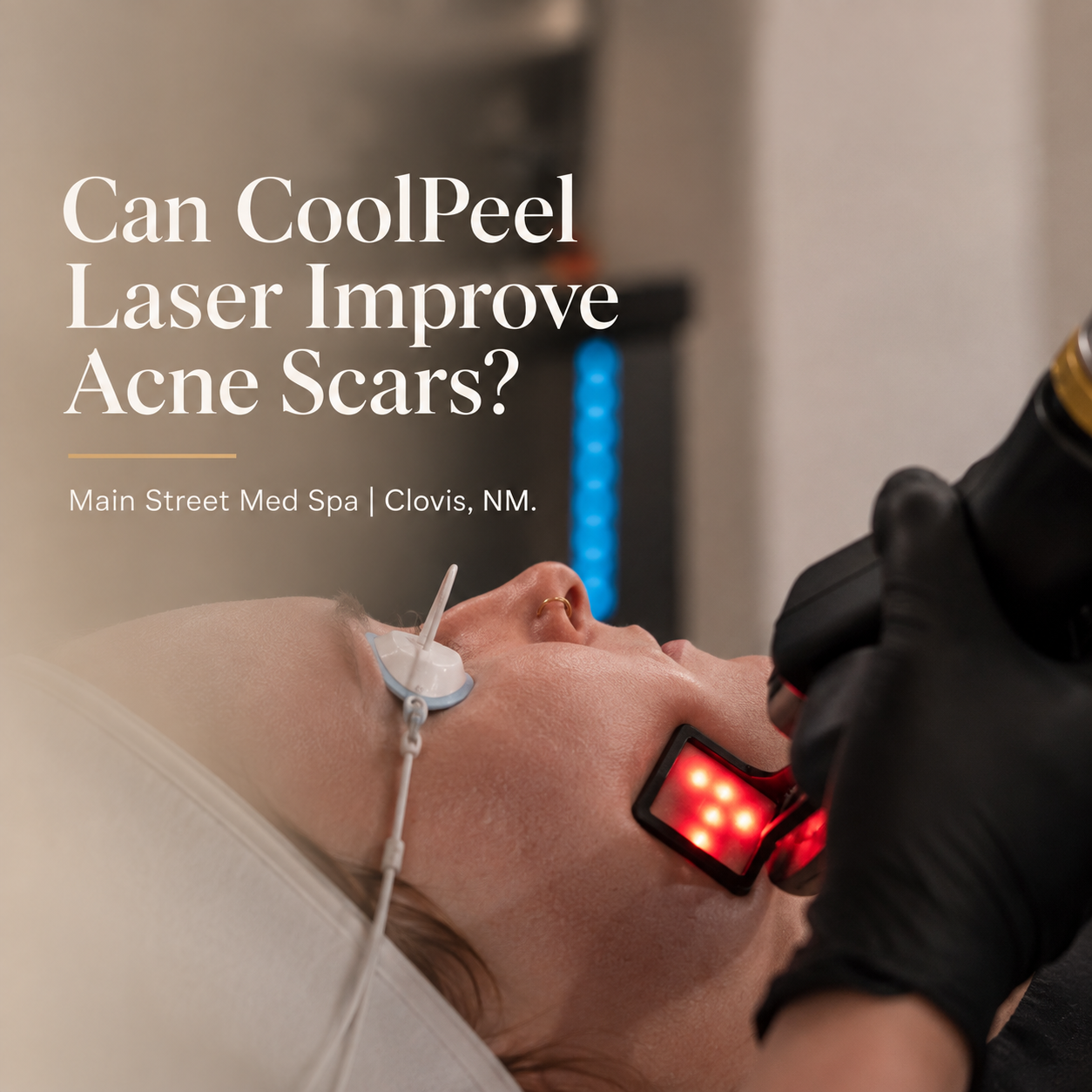
Tetra CO2 is most effective for sun damage, fine lines, uneven texture, and mild acne scarring, all of which are common complaints among patients living in a high-UV desert climate. It also improves enlarged pores and dull, uneven skin tone.
Years of unprotected sun exposure in Curry County and Roosevelt County show up as a specific pattern: brown spots, a rough or leathery texture, and fine lines that deepen faster than they would in a more humid, lower-UV climate. Desert air is also drier, which compounds the effect of UV damage on collagen breakdown.
Patients who benefit most from Tetra CO2 typically fall into a few categories:
- Adults with visible sun damage, including brown spots and uneven pigmentation
- Anyone noticing fine lines, especially around the eyes, mouth, and forehead
- Patients with rough texture or enlarged pores who want smoother-looking skin
- People with mild acne scarring looking for gradual, natural-looking improvement
If your main concern is deep wrinkles, significant volume loss, or loose skin, resurfacing alone won't address those. In those cases, we typically talk through combining CoolPeel with a personalized filler plan to address both texture and volume together.
What Does Recovery Actually Look Like?
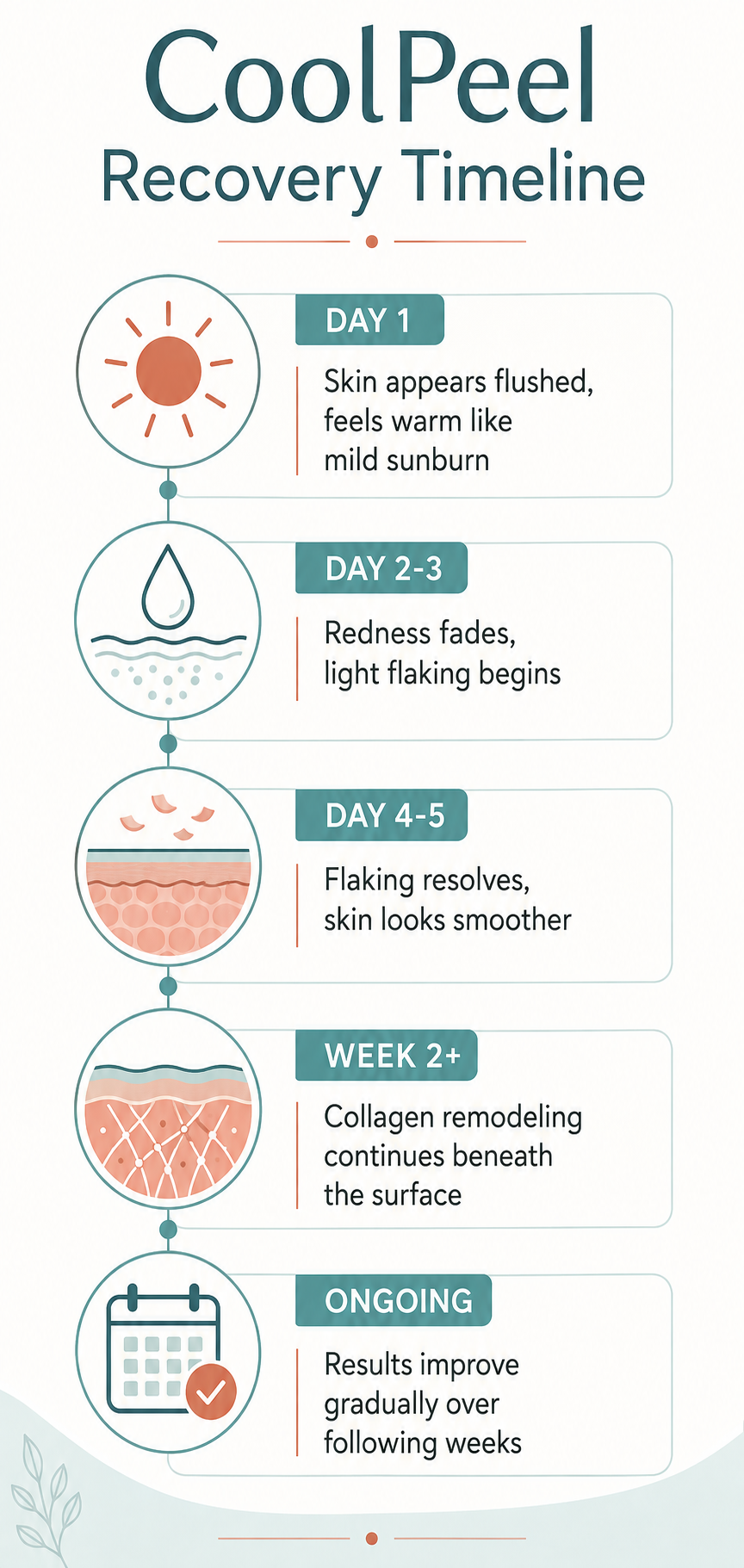
Most patients experience redness and mild flaking for three to five days, which is minimal compared to the one to two weeks of downtime associated with traditional ablative CO2 lasers. Many patients are comfortable returning to work within two to three days with light makeup.
The skin goes through a predictable healing process after treatment. Redness peaks in the first 24 hours and gradually fades. Fine flaking or a sandpaper-like texture develops as the treated surface cells shed, usually starting on day two or three. By day five, most patients are seeing smoother, more even-toned skin underneath.
Aftercare is straightforward but matters. Gentle cleansing, a recommended moisturizer, and strict sun protection are non-negotiable during healing. Given how strong Eastern New Mexico sun is, this is the part patients most need to follow closely.
Day-by-Day Recovery Timeline
- Day 1: Skin appears flushed and feels warm, similar to a mild sunburn.
- Day 2–3: Redness begins to fade, light flaking or peeling starts.
- Day 4–5: Most flaking resolves, skin looks noticeably smoother.
- Week 2 and beyond: Collagen remodeling continues beneath the surface, with results improving gradually over the following weeks.
Is It Safe for Desert Sun Exposure and All Skin Tones?
Yes, when properly performed by a trained provider, CoolPeel can be used safely across a range of skin tones, with settings adjusted to reduce the risk of pigment changes. Post-treatment sun protection is essential given how intense UV exposure is in this region.
Laser resurfacing carries real risk when it's performed without the right training or without accounting for a patient's specific skin type. That's why every treatment plan at Main Street Med Spa starts with a full skin evaluation rather than a one-size-fits-all setting. Patients with olive or deeper skin tones require more conservative settings to reduce the chance of post-inflammatory pigmentation, and that assessment happens before treatment, not during it.
Sun exposure after treatment is the other half of the safety equation. Freshly resurfaced skin is more vulnerable to UV damage for several weeks, which matters a great deal in a region where sun exposure is a daily reality rather than a seasonal one. If you want a deeper look at how skin tone and desert sun factor into candidacy, we've put together a full skin tone safety guide that covers this in more detail.
How Many Sessions Will You Need?
Most patients see visible improvement after a single session, though two to three sessions spaced several weeks apart maximize results for significant sun damage or texture concerns. Ongoing maintenance treatments help sustain results over time.
A single Tetra CO2 session produces noticeable improvement in texture and tone, but meaningful sun damage built up over years typically responds best to a short series. Spacing sessions four to six weeks apart gives the skin time to fully complete its collagen remodeling process before the next treatment. Patients focused on mild texture concerns or early fine lines sometimes see the results they want after just one or two sessions.
Once you've completed your initial series, many patients return for a single maintenance session annually, particularly before the intense summer sun months arrive. During your consultation for a CoolPeel treatment plan, your provider will map out a realistic session count based on your skin's current condition and your goals.
Frequently Asked Questions About Tetra CO2 Laser Resurfacing
Is CoolPeel painful?
Most patients describe CoolPeel as mildly uncomfortable rather than painful, often compared to a warm, prickling sensation. Topical numbing is typically used to keep patients comfortable throughout treatment, and most describe the experience as tolerable and quick.
How long is the recovery time?
Recovery is typically three to five days, with mild redness and flaking. This is significantly shorter than traditional ablative CO2 laser recovery, which can take one to two weeks and often involves more visible peeling.
Can I combine CoolPeel with other treatments?
Yes, in many cases. "I often pair CoolPeel with Botox or filler to address both skin quality and volume in the same visit," says Madison Alcaz, RN BSN. Combining treatments should always be discussed with your provider first to confirm your skin can handle multiple modalities safely.
Is CoolPeel safe for darker or olive skin tones?
When performed by a trained provider using appropriate settings, CoolPeel can be safely used on a range of skin tones. A consultation helps determine the safest laser settings and treatment approach for your specific skin.
How often should I get CoolPeel treatments?
Many patients benefit from a series of two to three sessions spaced four to six weeks apart, followed by annual maintenance treatments. "Your skin, your timeline. Some patients want a full series before summer, others just want one refresh a year," Madison Alcaz notes.
Madison Alcaz's Perspective
"Eastern New Mexico sun is relentless, and I see the effects of it every day in my patients' skin. CoolPeel gives us a way to meaningfully repair that damage without asking someone to disappear for two weeks of recovery. I always start with a real conversation about someone's skin and their goals before we talk about a laser at all."
— Madison Alcaz, RN BSN
Ready to Start Your Skin Consultation?
Fall and winter are the ideal seasons to begin resurfacing treatments, giving your skin time to fully heal before the intense summer sun returns to Clovis and Portales. Waiting until spring often means starting treatment right as UV exposure climbs again.
If you're on the fence, the most common hesitation we hear is worry about visible downtime. A short series of Tetra CO2 sessions, timed correctly, means your skin has weeks to recover fully before anyone notices anything other than a healthier glow. Our team serves patients throughout Clovis, Portales, Curry County, Texico, Farewell, and the broader Eastern New Mexico region, and every treatment plan is administered by an RN with more than 10 years of aesthetic experience and specific knowledge of how this climate affects skin.
Schedule your CoolPeel consultation and get a personalized treatment plan built around your skin, your goals, and your timeline.
Tetra CO2 laser resurfacing offers a real path forward for Eastern New Mexico patients dealing with sun damage, uneven texture, and early fine lines. With the right provider and a treatment plan built around your skin, meaningful results are within reach without weeks of downtime standing in the way.